Mythological Narratives Surrounding Resistance
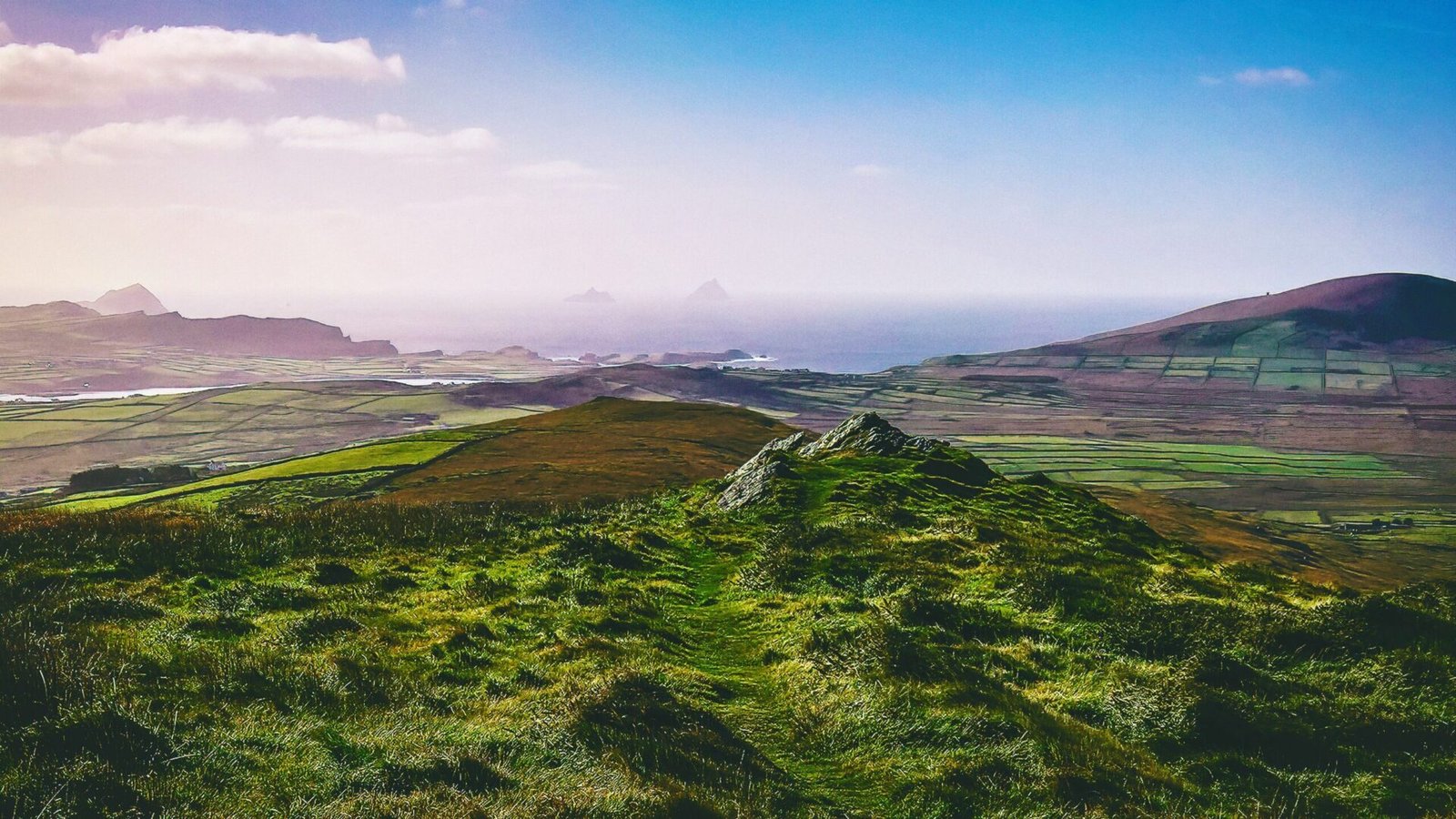
In the verdant landscapes of Ireland, where rolling hills meet ancient stone circles and whispering forests, the echoes of mythological tales resonate through time. These stories, deeply embedded in the cultural fabric of Ireland, often center around themes of resistance and conflict. They reveal the intricate interplay between myth, landscape, and the human spirit’s enduring struggle against oppression and adversity. This exploration of mythological narratives surrounding resistance offers a glimpse into the rich tapestry of Irish prehistory, where the lines between myth and reality blur.
The Tuatha Dé Danann: Divine Resisters
One of the most iconic mythological groups in Irish lore is the Tuatha Dé Danann, a race of deities and supernatural beings who arrived in Ireland shrouded in mist. Their narrative is one of resistance and resilience, as they faced the Fir Bolg and later the Milesians, who sought to claim the land for themselves. The Tuatha Dé Danann’s story is not merely a tale of conquest but a profound reflection on the cyclical nature of conflict and the enduring spirit of resistance.
The Tuatha Dé Danann’s resistance is symbolized by their mastery of magic and their deep connection to the land. They are often depicted as protectors of the natural world, embodying the spirit of the landscape itself. This connection to the land underscores a central theme in Irish mythology: the idea that resistance is not just a human endeavor but a cosmic one, where the forces of nature and the divine are allies in the struggle against oppression.
Cú Chulainn: The Warrior’s Resistance
The legendary hero Cú Chulainn, a central figure in the Ulster Cycle, embodies the archetype of the warrior resisting overwhelming odds. His tales are filled with epic battles and feats of strength that have captivated generations. Cú Chulainn’s resistance is not only against external foes but also against fate and prophecy, highlighting the tension between individual agency and destiny.
One of the most poignant stories of Cú Chulainn’s resistance is his stand at the ford, where he single-handedly defends Ulster from the armies of Connacht. This tale, steeped in blood and valor, underscores the personal sacrifice inherent in the act of resistance. Cú Chulainn’s story is a testament to the idea that true resistance often requires great personal cost, a theme that resonates deeply within the Irish cultural psyche.
The Morrígan: A Symbol of Resistance and Transformation
The Morrígan, a complex and multifaceted deity, represents the darker aspects of resistance. Often associated with war, fate, and death, she embodies the chaos and transformation that accompany conflict. The Morrígan’s narratives reveal the dual nature of resistance: it is both destructive and creative, a force that can lead to renewal and change.
In myths, the Morrígan often appears at moments of great conflict, offering prophecy and guidance. Her presence signifies the inevitability of change and the necessity of embracing transformation. The Morrígan’s role in these narratives highlights the idea that resistance is not just about opposing an external force but also about internal transformation and the ability to adapt and evolve in the face of adversity.
The Landscape as a Canvas of Resistance
The Irish landscape itself is a silent witness to these mythological narratives of resistance. Ancient sites such as Tara, Newgrange, and the Hill of Uisneach are more than mere physical locations; they are imbued with stories of past struggles and triumphs. These landscapes serve as a canvas upon which the myths of resistance are painted, grounding them in a tangible reality.
For instance, the Hill of Tara, traditionally seen as the seat of the High Kings of Ireland, is not just a geographical location but a symbol of sovereignty and resistance against external domination. The legends associated with Tara speak of kings who resisted invaders and upheld the sovereignty of the land, reinforcing the idea that the landscape itself is an active participant in the narrative of resistance.
The Banshee: A Lament of Resistance
The Banshee, a harbinger of death and misfortune, is another figure deeply rooted in the theme of resistance. Her mournful wail is said to foretell the death of a family member, serving as a poignant reminder of the human cost of conflict. The Banshee’s lament is a form of resistance against forgetting, a call to remember those who have fallen and the struggles they endured.
In many ways, the Banshee’s presence in Irish mythology underscores the idea that resistance is not just a physical act but also an emotional and spiritual one. Her cries echo through the ages, reminding us of the resilience required to endure and the importance of memory in the ongoing struggle for justice and freedom.
Myth and Memory: The Legacy of Resistance
The mythological narratives of resistance in Irish lore are not static tales of the past; they are living stories that continue to shape cultural identity and memory. These myths serve as a bridge between the ancient and the modern, offering insights into the enduring human spirit and the timeless struggle against oppression.
In contemporary times, these mythological narratives find new life in literature, art, and popular culture. They inspire acts of resistance and resilience, reminding us of the power of storytelling to shape our understanding of the world and our place within it. Through these stories, the past speaks to the present, offering guidance and inspiration for future generations.
The enduring appeal of these myths lies in their ability to capture the complexity of resistance, weaving together themes of strength, sacrifice, transformation, and renewal. They remind us that resistance is not a singular act but a continuous journey, one that is deeply intertwined with the landscape and the collective memory of a people. As we explore these narratives, we are invited to reflect on our own acts of resistance and the legacy we leave for those who come after us.