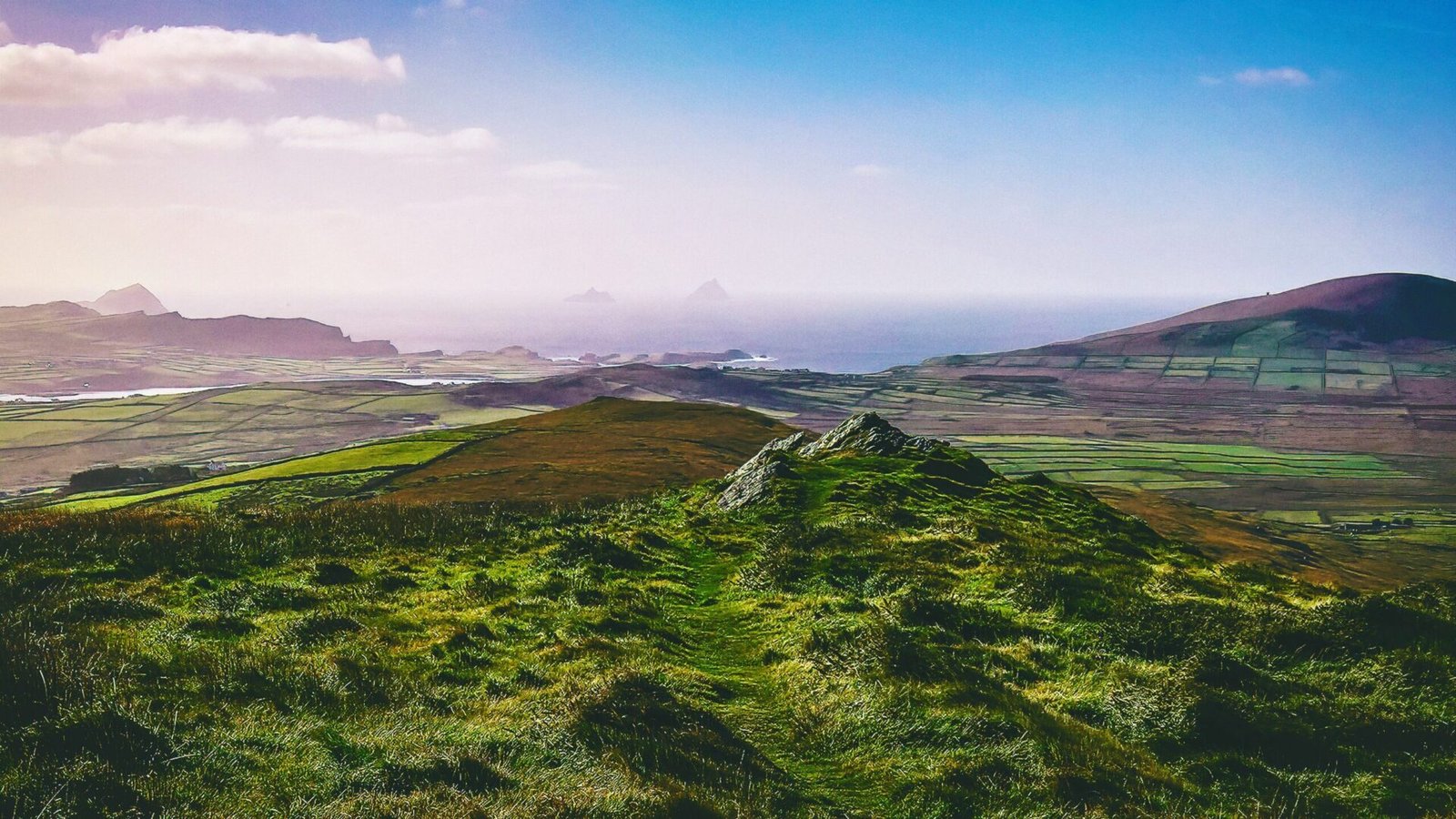
Hillforts
Hillforts

Ancient tools of conflict.

In Irish prehistory, warfare was shaped by advanced weaponry such as bronze swords and spears, reflecting a culture steeped in conflict. Mythology intertwines with this history, as tales of legendary heroes and battles echo through the landscape, with ancient sites like hill forts and stone circles serving as reminders of a turbulent past.

Harp: Mythic Echoes of Ireland

In Irish prehistory, the harp emerged as a symbol of divine connection and cultural identity. Mythology intertwines with the landscape, where ancient tales echo through the hills and rivers. Harpists were revered, believed to summon the spirits of nature, weaving music into the very fabric of Ireland’s mystical heritage.

Power structures in society.

In Irish prehistory, social hierarchies were intricately woven into the fabric of mythology and the landscape. Elite classes, often represented by legendary figures, shaped societal norms and governance. Sacred sites and monumental structures reflect these hierarchies, revealing how power dynamics influenced both cultural narratives and the physical environment of ancient Ireland.

Power structures shaped communities.

In Irish prehistory, hierarchy shaped social structures, evident in burial mounds and ceremonial sites. Mythology reflects this stratification, with deities representing various societal roles. Sacred landscapes, like the Hill of Tara, served as political and spiritual centers, illustrating how power dynamics influenced both the physical and mythological realms of ancient Ireland.

Uncovering Ireland’s ancient past.

This article explores the rich tapestry of Irish prehistory through archaeological evidence, highlighting how ancient artifacts and structures illuminate cultural practices. It examines the interplay between these findings and Irish mythology, revealing how the landscape itself serves as a canvas for stories, connecting past civilizations with their enduring legends and traditions.

Heroic valor in battle.

In Irish prehistory, warriors embodied valor and honor, often depicted in mythology as heroic figures like Cú Chulainn. Their characteristics—strength, loyalty, and skill—are mirrored in the rugged landscapes of ancient forts and battlefields. This interplay of myth and terrain reveals a deep cultural reverence for martial prowess and ancestral legacy.

Warrior Prestige in Ireland

In Irish prehistory, warrior status conferred significant social prestige, deeply intertwined with mythology and the landscape. Legendary figures like Cú Chulainn embodied valor, while sacred sites such as Emain Macha symbolized power. This interplay of myth and geography shaped societal hierarchies, reflecting the reverence for warriors as protectors and leaders.

Valor, honor, resilience, legacy.

The warrior ethos in Irish culture, rooted in prehistory, manifests through ancient myths and the rugged landscape. Legendary figures like Cú Chulainn embody valor and honor, while sacred sites echo tales of bravery. This enduring spirit shapes Ireland’s identity, intertwining history, mythology, and geography into a vibrant tapestry of resilience.

Legends of ancient warriors.

In Irish prehistory, the landscape is imbued with the echoes of legendary warriors, their tales woven into the very fabric of the land. Mythology reflects this connection, as ancient sites like the Hill of Tara and the Giant’s Causeway serve as reminders of heroic deeds, shaping cultural identity and spiritual heritage.

Leadership in ancient Ireland.

In Irish prehistory, chieftaincy embodies the leadership structures of tribal societies, often reflected in mythology and the landscape. Legends of heroic figures, such as Cú Chulainn, intertwine with ancient burial mounds and stone circles, illustrating the interplay between power, ancestry, and the sacred geography that shaped communal identity and governance.