Connections to Local Legends: Court Cairns and the Myths of the Irish Landscape
Introduction to Court Cairns
Nestled within the verdant hills and rugged landscapes of Ireland, court cairns stand as silent sentinels to the past, their ancient stones whispering tales of a time long forgotten. These megalithic structures, often found in clusters across the Irish countryside, are believed to date back to the Neolithic period, around 4000 to 2500 BCE. Characterized by their distinctive layout—a court or open area leading into a burial chamber—court cairns are not merely archaeological sites; they are deeply interwoven with local legends and myths, serving as a bridge between the tangible remnants of our ancestors and the intangible stories that have shaped Irish culture.
The Architecture of Myth
The design of court cairns is not just a feat of engineering; it is a canvas upon which the myths of the land have been painted. The open court, often surrounded by a circular arrangement of stones, is thought to have served as a communal space for rituals and gatherings. This architectural choice reflects the social dynamics of Neolithic communities, where the act of burial was not merely an end but a continuation of the relationship between the living and the dead.
Local legends often attribute specific meanings to the stones and their arrangement. For instance, many stories speak of the spirits of the ancestors residing within the cairns, protecting the land and its people. In some regions, it is said that the stones themselves are the transformed bodies of ancient warriors or mythical figures, turned to stone as a punishment or a blessing. Such narratives enrich the experience of visiting these sites, inviting individuals to ponder not just the physical structure but the stories that breathe life into the stones.
The Role of Local Legends
Local legends surrounding court cairns vary from region to region, each adding a unique layer to the understanding of these ancient sites. In County Kerry, for example, the legend of the “Cairn of the Cailleach” speaks of a powerful goddess who shaped the landscape with her giant hands, creating mountains and valleys. The cairn itself is said to be her resting place, a testament to her enduring presence in the area. Such stories not only serve to explain the origins of the cairn but also reinforce the connection between the landscape and the divine.
In other parts of Ireland, court cairns are associated with tales of heroes and mythical creatures. The stories of Cú Chulainn, the legendary warrior, often intertwine with the locations of these ancient structures. It is said that he fought battles in the shadow of these cairns, and that the spirits of his fallen foes linger in the stones, forever bound to the land. These legends foster a sense of identity and belonging among local communities, transforming the landscape into a living tapestry of history and myth.
The Intersection of History and Mythology
The relationship between court cairns and local legends exemplifies the broader intersection of history and mythology in Irish culture. While archaeological studies provide insights into the construction and purpose of these structures, local lore offers a narrative that transcends time. This duality enriches our understanding of the past, allowing us to appreciate not only the physical remnants of ancient societies but also the stories that have been passed down through generations.
For instance, the tale of the “Giant’s Grave” in County Antrim speaks to the human desire to explain the unexplainable. Local inhabitants believed that the massive stones of the cairn were the remains of a giant who once roamed the land, and that his spirit still watches over the area. Such stories highlight the human tendency to personify natural phenomena, imbuing the landscape with meaning and purpose.
The Spiritual Significance of Court Cairns
Beyond their historical and architectural significance, court cairns hold profound spiritual meaning for many communities. The act of burial within these structures was likely imbued with ritualistic importance, connecting the living to their ancestors. The cairns served as a physical manifestation of the belief in an afterlife, where the spirits of the departed could continue to influence the world of the living.
In contemporary times, many people still visit these sites to pay homage to their ancestors, leaving offerings or engaging in rituals that honor the past. This practice underscores the ongoing connection between the landscape and the spiritual beliefs of the community. The cairns become places of pilgrimage, where individuals seek solace, guidance, or a deeper understanding of their heritage.
The Influence of Landscape on Legend
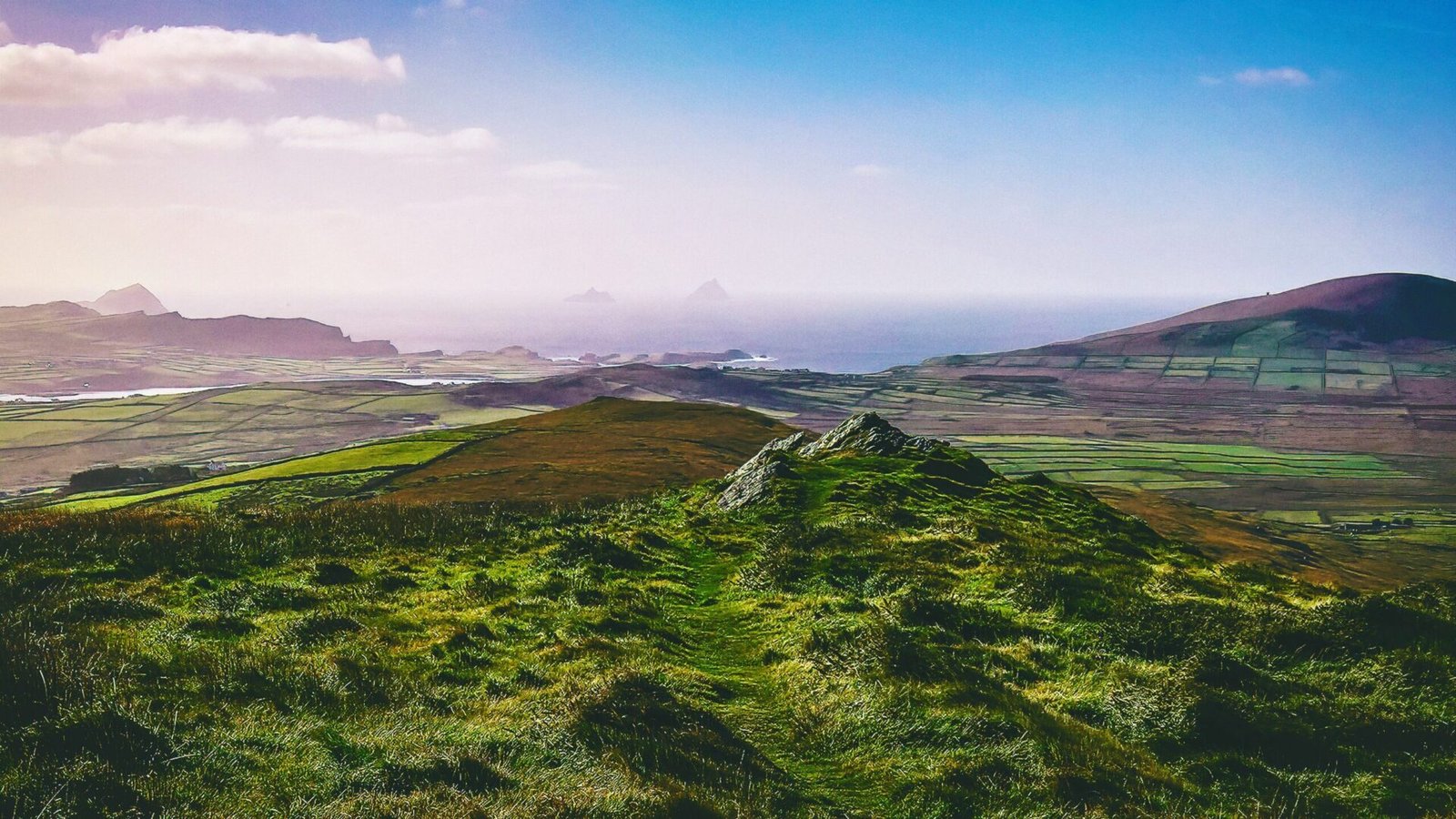
The Irish landscape itself plays a crucial role in shaping local legends associated with court cairns. The rugged terrain, rolling hills, and dramatic coastlines provide a backdrop that inspires awe and reverence. The natural world is often personified in these stories, with mountains, rivers, and stones taking on characteristics of mythological beings.
For example, the River Boyne, which flows near several court cairns, is steeped in myth. It is said to be the home of the goddess Boann, who is associated with fertility and wisdom. The intertwining of the river’s course with the locations of the cairns creates a narrative that emphasizes the interconnectedness of nature and myth. This relationship invites visitors to reflect on their own place within the landscape and the stories that have shaped it.
Modern Interpretations and Revivals
In recent years, there has been a resurgence of interest in local legends and their connections to court cairns. As communities seek to reclaim their heritage, storytelling has become a vital tool for preserving the past. Festivals, guided tours, and educational programs have been developed to celebrate the myths and legends associated with these ancient sites.
Moreover, artists and writers are increasingly drawing inspiration from the rich tapestry of Irish mythology, creating works that resonate with both local and global audiences. This revival not only honors the stories of the past but also encourages a new generation to engage with their cultural heritage. The court cairns, once seen as relics of a bygone era, are now celebrated as living monuments that continue to inspire and connect people to their roots.
Conclusion
Court cairns stand as powerful symbols of the interplay between history, mythology, and the landscape of Ireland. Their stones, shaped by the hands of our ancestors, carry the weight of countless stories—stories of gods and giants, of love and loss, of community and continuity. As we explore these ancient sites, we are invited to connect with the legends that have shaped our understanding of the world, reminding us that the past is never truly gone; it lives on in the stories we tell and the landscapes we inhabit.