Lough Boora: A Window into Ireland’s Prehistoric Landscape
Nestled in the heart of County Offaly, Lough Boora is not merely a geographical feature; it is a vibrant tapestry woven from the threads of natural history, human endeavor, and myth. This expansive area, characterized by its unique bogs and wetlands, offers a glimpse into the lives of Mesolithic communities who thrived in the shadow of its waters. The landscape of Lough Boora is a rich ecological mosaic, featuring sprawling peat bogs, shimmering lakes, and a diverse array of flora and fauna. Understanding this site requires an exploration of its geographical features, the ecological importance of its wetlands, and the cultural narratives that have emerged from its ancient past.
Description of the Site’s Landscape and Ecological Features
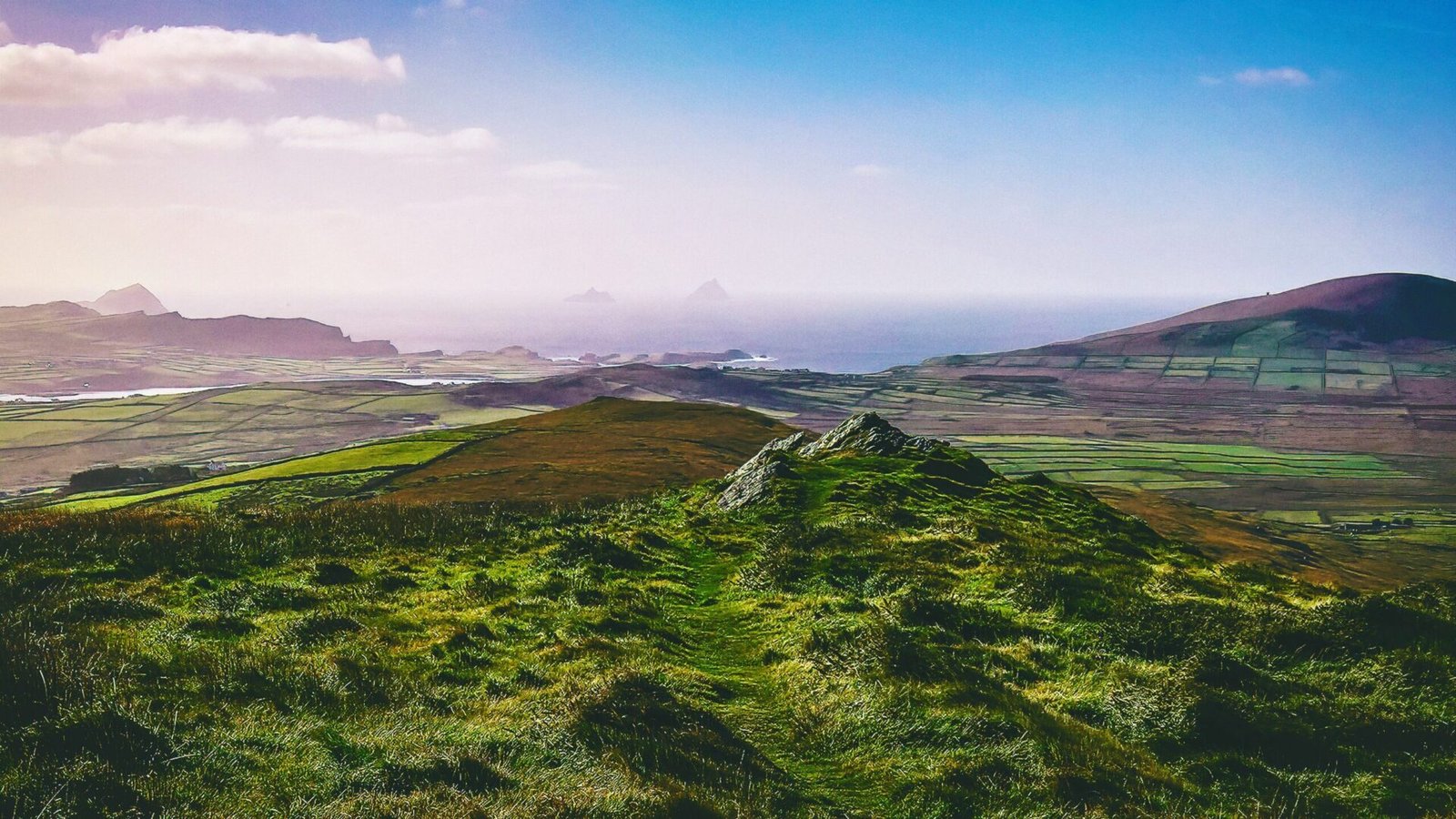
Lough Boora is a designated Natural Heritage Area, encompassing approximately 2,000 hectares of diverse habitats. The landscape is dominated by extensive peat bogs, which are remnants of ancient wetlands that have developed over thousands of years. These bogs are not only pivotal to the ecosystem but also serve as a historical archive, preserving evidence of past climates, flora, and fauna.
The topography of Lough Boora is characterized by its flat terrain, punctuated by small hills and depressions that create a patchwork of wet and dry areas. The bogs are interspersed with open water bodies, including the eponymous Lough Boora, which is a vital habitat for various bird species. The presence of water is critical, as it supports a rich biodiversity, including migratory birds, amphibians, and a plethora of plant life, such as sphagnum mosses and heathers.
The ecological features of Lough Boora are not only significant for their biodiversity but also for their role in carbon sequestration. Peatlands are among the most efficient ecosystems in capturing and storing carbon dioxide, making them crucial in the fight against climate change. This aspect of Lough Boora underscores the interconnectedness of natural systems and human survival, particularly during the Mesolithic period.
Importance of Bogs and Wetlands in Mesolithic Life
During the Mesolithic era, roughly 8000-4000 BCE, Ireland was a land of hunter-gatherers who relied heavily on the resources provided by their environment. The wetlands and bogs of Lough Boora were essential to their way of life, offering a rich source of food, water, and materials for shelter and tools. The abundance of fish and aquatic life in the lakes, alongside the diverse plant species found in the bogs, created a fertile ground for sustenance.
The Mesolithic people were adept at utilizing the resources around them. They would have fished in the waters of Lough Boora, hunted game that roamed the surrounding landscape, and gathered edible plants from the rich vegetation. The bogs provided not only food but also materials for crafting tools and building structures. The dense growth of reeds and sedges could be used for weaving, while peat itself was employed as a fuel source.
Archaeological evidence from the site, including tools made from flint and bone, indicates that the inhabitants of Lough Boora were skilled artisans. The discovery of ancient hearths suggests that these communities had established semi-permanent settlements, allowing them to exploit the rich resources of the wetlands more effectively. The seasonal rhythms of the landscape would have dictated their movements, as they followed the cycles of fish spawning and plant growth.
The Cultural Significance of Lough Boora
Beyond its ecological and practical importance, Lough Boora holds a deep cultural significance that resonates through Irish mythology and folklore. The landscape is often seen as a living entity, imbued with stories that reflect the relationship between the people and their environment. The bogs, in particular, have been associated with ancient beliefs and practices, serving as sites for rituals and offerings.
In Irish mythology, bogs are frequently depicted as liminal spaces, places where the boundaries between the physical and spiritual worlds blur. They are often associated with the Otherworld, a realm inhabited by supernatural beings. The presence of water in these landscapes is symbolic, representing both life and death, fertility and decay. This duality is reflected in the stories that have emerged from the bogs, where heroes and gods alike traverse the murky depths in search of wisdom or redemption.
The landscape of Lough Boora has also inspired contemporary artists and writers, who draw upon its rich history and natural beauty to explore themes of identity, belonging, and the passage of time. The interplay of myth and landscape continues to shape the cultural narrative of Ireland, reminding us of the enduring connection between people and place.
Archaeological Discoveries and Insights
In recent years, archaeological excavations at Lough Boora have unveiled a treasure trove of artifacts that shed light on the lives of Mesolithic inhabitants. These discoveries include not only tools and weapons but also remnants of ancient dwellings and evidence of ritual practices. The preservation of organic materials in the peat has allowed researchers to study pollen grains, seeds, and even the remains of ancient flora and fauna, providing insights into the environmental conditions of the time.
One of the most significant finds at Lough Boora is the discovery of a wooden trackway, believed to be over 5,000 years old. This ancient structure, constructed from oak and other timber, highlights the ingenuity of Mesolithic communities in navigating their wetland environment. The trackway suggests that these early people were not only skilled in tool-making but also adept at engineering, creating pathways that allowed them to traverse the challenging landscape.
Moreover, the presence of ceremonial artifacts indicates that the people of Lough Boora engaged in complex social and spiritual practices. These findings challenge the notion of the Mesolithic as a simplistic, survival-focused era, revealing a society rich in culture and tradition.
The Modern Landscape and Conservation Efforts
Today, Lough Boora is recognized for its ecological and cultural importance, attracting visitors who come to explore its natural beauty and rich history. Conservation efforts are underway to protect this unique landscape, ensuring that it remains a sanctuary for wildlife and a site of historical significance. The establishment of walking trails and educational programs aims to raise awareness about the importance of bogs and wetlands, fostering a deeper appreciation for this vital ecosystem.
The interplay of nature and culture at Lough Boora serves as a reminder of the enduring legacy of Ireland’s prehistoric past. As we walk through the winding trails, surrounded by the sounds of rustling reeds and the calls of birds, we are invited to reflect on the lives of those who once called this landscape home. The stories of Lough Boora are not just echoes of the past; they are a living testament to the resilience of human beings and their profound connection to the land.